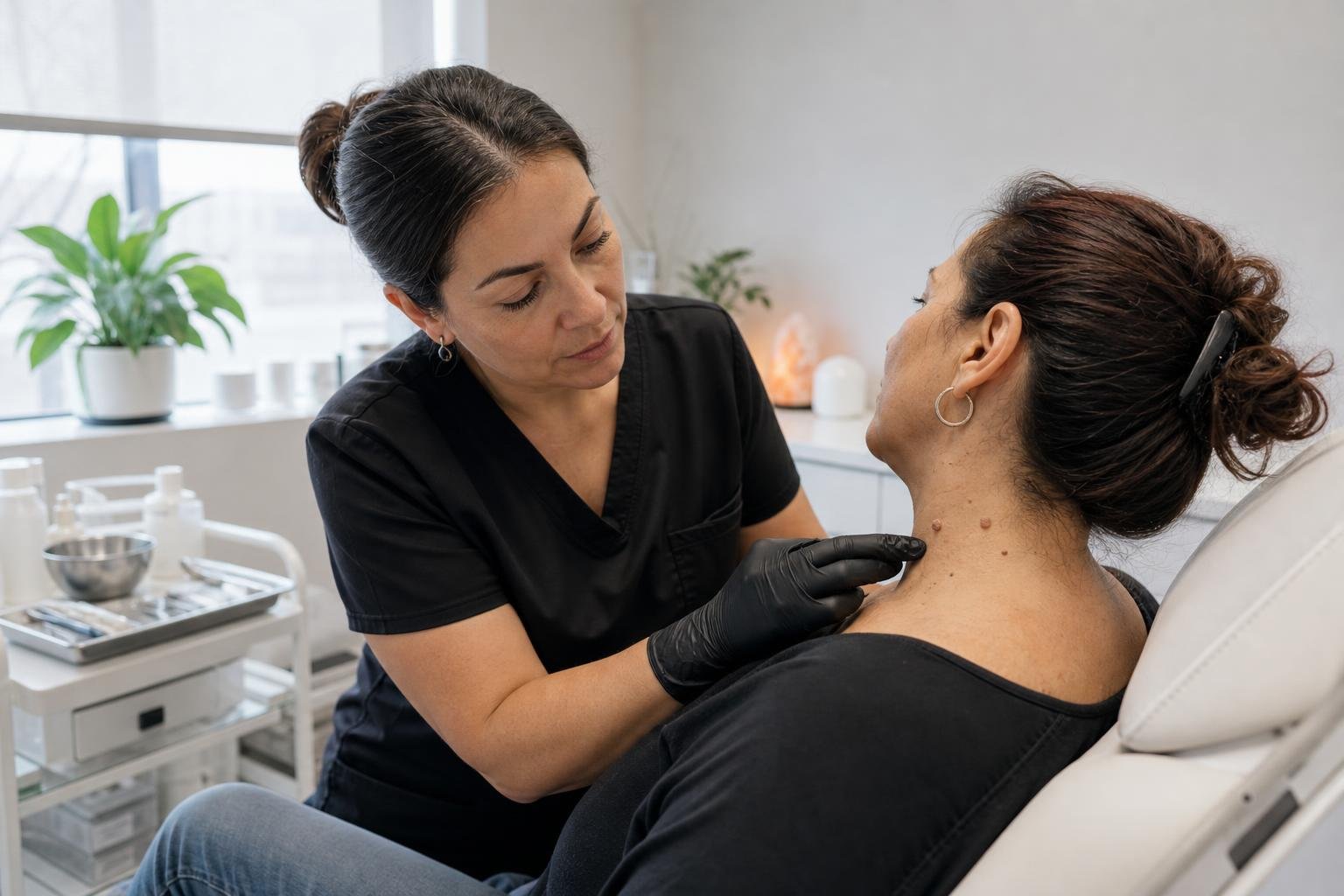
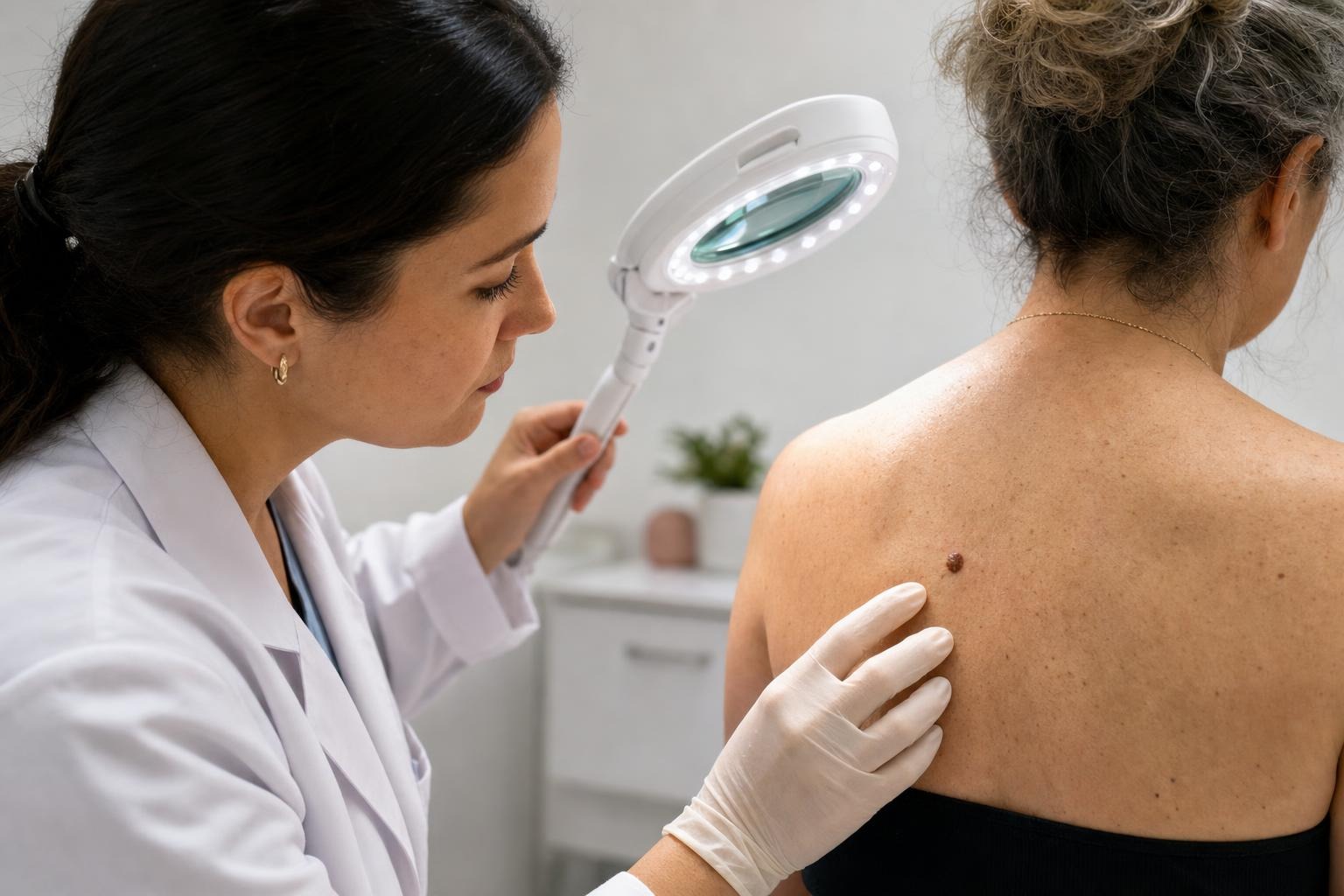
If you are budgeting for professional skin tag removal in Hamilton, the clearest confirmed starting point is from $20 per lesion at Vicaria Health. A free consultation is available, no referral is needed, and suitable growths may be removed the same day. Your actual total will depend primarily on how many lesions are treated and whether each one qualifies for the starting rate.
That “from” matters. A single small, straightforward skin tag may be priced differently from several growths in sensitive or difficult-to-reach areas. Clinics may also structure their fees differently, so an advertised per-lesion price is useful only when you know what it covers.
The practical way to budget is to count the growths you want assessed, ask whether there is a minimum appointment charge, and request a total quote before treatment begins. You should also confirm whether consultation, supplies, aftercare instructions, follow-up, and tax are included rather than assuming every clinic bundles the same items.
Key takeaways
- Vicaria Health publishes a starting price of $20 per lesion and offers a free consultation.
- Per-lesion pricing makes a rough estimate possible, but size, location, quantity, and suitability can change the final total.
- “Same-day” means treatment may be available after consultation when appropriate; it should not be treated as a guarantee for every growth.
- Compare total quotes, not just the lowest advertised unit price.
- Do not use price as a reason to remove an unidentified, changing, or unusual growth without appropriate medical review.
How skin tag pricing is calculated
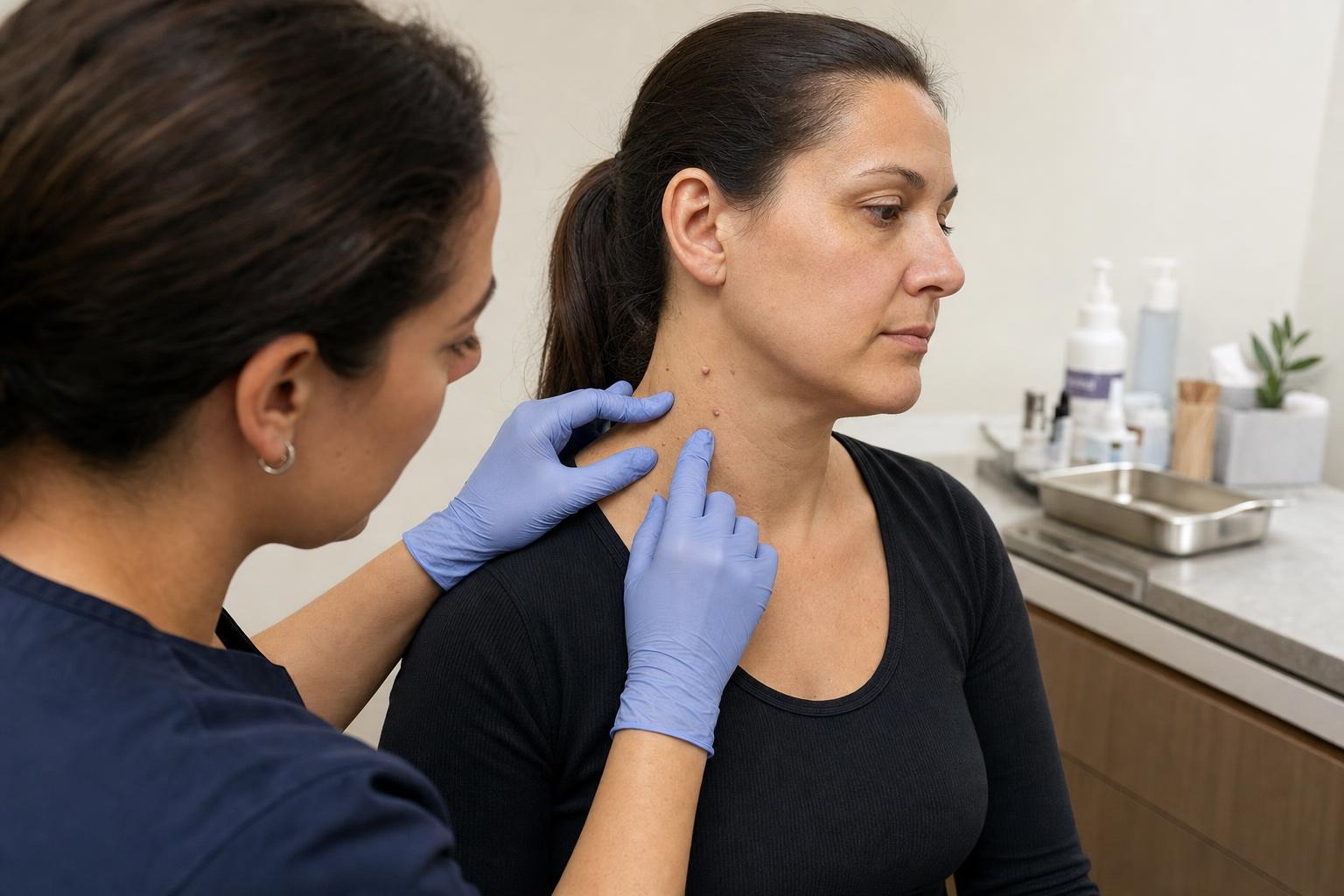
Per-lesion pricing is straightforward: the clinic counts the growths that can be treated and applies the relevant rate to each one. This model can be economical for someone with one or two bothersome tags, while a person with a larger cluster needs to consider the combined total.
Several practical factors can affect a quote:
- Number of lesions: Treating five growths will generally cost more than treating one, even if a volume rate is available.
- Size and shape: A small tag on a narrow stalk may not require the same approach as a broad or larger growth.
- Location: Growths near the eyes, on sensitive skin, or in areas that are difficult to access may require different handling or referral elsewhere.
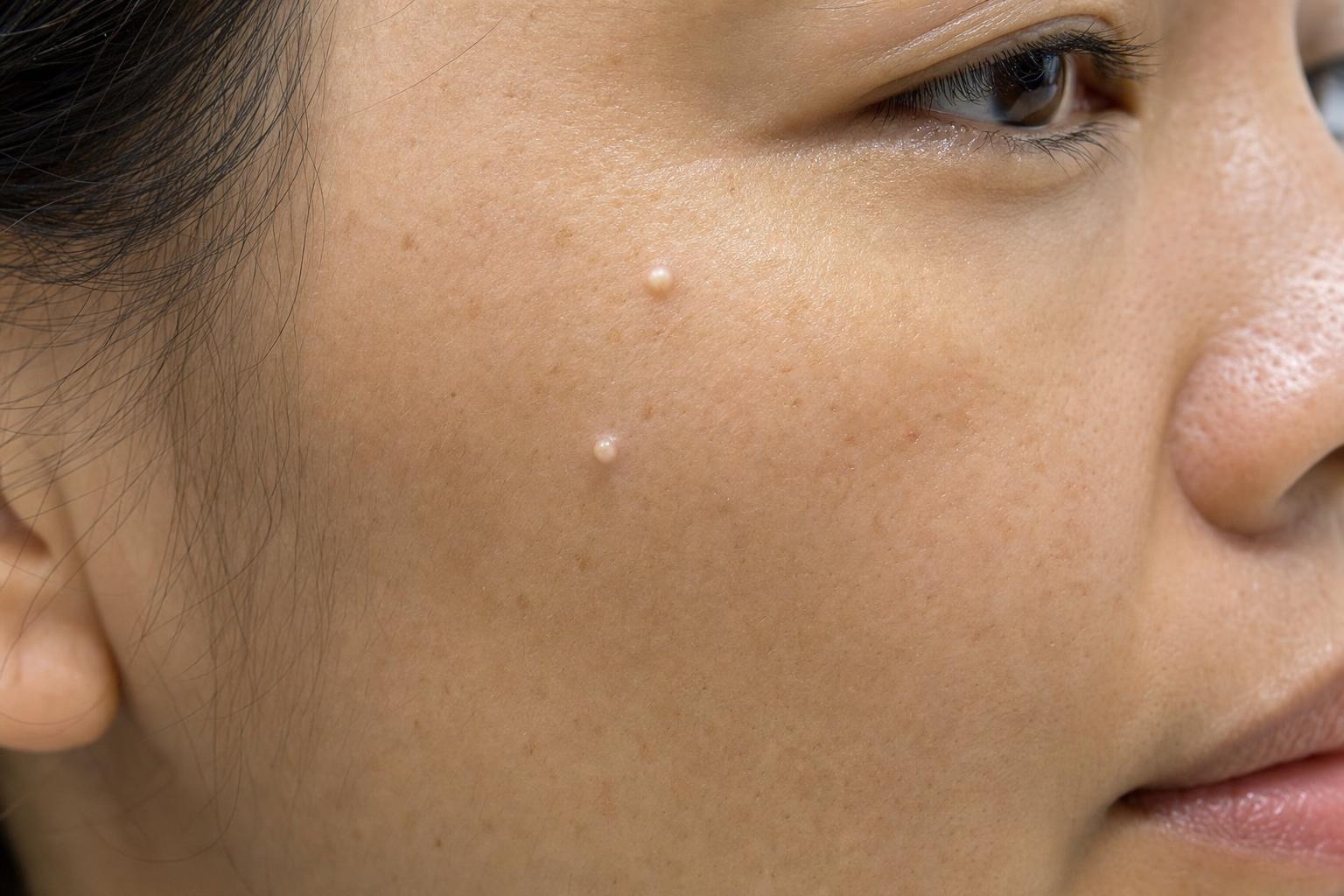
- Type of growth: Not everything that resembles a skin tag is one. Milia, ruby points, seborrheic keratoses, moles, and other lesions should not automatically be grouped under one price.
- Treatment method: The method considered suitable can influence the time, materials, and aftercare involved.
- Clinic fee structure: Some providers charge strictly by lesion, while others may have an appointment minimum, tiered rates, or package pricing.
For that reason, published prices are best used as a baseline rather than a guaranteed total. A clinic should first establish what is being considered for removal and explain the price before proceeding.
What a starting rate of $20 per lesion means
Vicaria Health advertises professional removal from $20 per lesion. It also states that a referral is not required and that a free consultation is available. The clinic treats skin tags as well as milia, ruby points, and seborrheic keratoses, but those categories should not be assumed to have identical requirements in every case.
The starting rate allows for simple preliminary arithmetic:
| Number of lesions | Estimate at the starting rate | |---:|---:| | 1 | $20 | | 3 | $60 | | 5 | $100 | | 10 | $200 |
These figures are illustrations, not treatment quotes. They assume every lesion qualifies for the lowest published rate and do not account for any difference based on type, size, location, complexity, or applicable tax. The consultation is where those details can be clarified.
A useful question is: “If all of these growths are suitable for removal, what will my complete total be today?” That wording helps uncover whether the estimate includes every lesion you want treated and whether anything else will be charged.
Vicaria Health indicates that suitable procedures can often be completed on the same day. This may reduce the inconvenience of making separate consultation and treatment visits, but availability and suitability still need to be confirmed for the individual case. Current service information can be checked on the Vicaria Health website.
What may be included in a removal quote
The word “removal” does not always describe the entire appointment. Before comparing prices, determine which parts of the service are included in the quoted total.
At Vicaria Health, the consultation is advertised as free. During that conversation, ask about:
- The total number of growths considered suitable for treatment
- The rate that applies to each growth
- Whether there is an appointment minimum
- Whether treatment supplies are included
- What aftercare instructions will be provided
- Whether a routine follow-up is included or charged separately
- Whether HST or any other fee will be added
- What happens if a growth should not be treated at the appointment
Do not assume that nutrition or health coaching is bundled into a lesion-removal fee. Vicaria Health offers personalized nutrition and health coaching, but it is a separate area of service unless the clinic explicitly states otherwise in your quote.
The best estimate is one that clearly identifies what will be treated, what will not be treated, and the amount payable before you agree to proceed. A low per-lesion figure can become less competitive if it excludes a mandatory assessment or minimum fee; conversely, a higher unit price may include more of the appointment.
Professional removal versus home treatment
Home treatment may appear cheaper, particularly when over-the-counter products are advertised for multiple applications. Cost, however, is not the only trade-off. The first problem is identification: a person may mistake another type of lesion for an ordinary skin tag. The second is control over cleanliness, placement, and aftercare, especially in areas that rub against clothing or are hard to see.
People sometimes try freezing products, oils, cutting, or tying tags with thread. These attempts may fail and can cause pain, bleeding, skin damage, or infection. Products purchased online may also be unauthorized or make claims that have not been evaluated by Canadian regulators.
Health Canada has warned that unauthorized skin tag and mole removers sold in Canada may pose serious health risks. Its notice explains that products containing concentrated acids can cause burns, permanent scarring, and other injuries. It also warns that self-treatment can delay medical attention for potentially cancerous growths.
Professional service costs more than improvised home methods, but the price includes access to a practitioner who can determine whether the requested service is appropriate and explain aftercare. That does not replace medical diagnosis when a lesion is suspicious or uncertain.
When a growth should be medically assessed
Price comparisons should pause when a growth has not been identified or is behaving unusually. Seek medical advice rather than arranging cosmetic removal if a spot is new and concerning, changes in colour or shape, grows quickly, bleeds without an obvious cause, repeatedly crusts, becomes persistently painful, or looks markedly different from nearby spots.
A practitioner may also decline treatment based on the lesion’s appearance or location. That is a safety decision, not an unexpected pricing tactic. Cosmetic removal services are intended for suitable growths; they should not be used to bypass medical assessment.
If you are uncertain whether something is a skin tag, describe that uncertainty when booking. Avoid picking, cutting, applying acids, or attempting to freeze it while waiting for advice, because irritation can change its appearance and make assessment more difficult.
How to compare Hamilton quotes fairly

Start by giving each provider the same information: the approximate number of growths, their general locations, whether they have changed, and whether you hope to have them treated at the consultation. Photos may help a clinic decide how to schedule the appointment, but they may not be sufficient to confirm suitability or a final price.
Use a short checklist when speaking with providers:
- Is the consultation free or charged?
- Is pricing per lesion, per appointment, or by time?
- Does the advertised rate apply to every size and location?
- Is there a minimum charge?
- Can suitable tags be treated during the consultation?
- What is included in the quoted total?
- What aftercare should I expect?
- When would treatment be declined or medical review recommended?
Consider convenience alongside price. A clinic that can assess and treat suitable lesions in one visit may save travel and time, while another provider may require separate appointments. No-referral access can also simplify booking, although it does not mean every growth will qualify for cosmetic treatment.
Be cautious about comparing unlike services. A quote for one small tag should not be treated as evidence of what a cluster of larger growths will cost. Likewise, prices for milia or seborrheic keratoses do not necessarily establish the fee for skin tags, even when one clinic offers all three services.
Preparing for your consultation
Count the growths you want discussed and note their locations. If one has changed, bled, or become painful, record when that began and raise it before treatment is considered. Wear clothing that allows practical access to the area without unnecessary discomfort.
Bring a list of questions about the complete price and aftercare. Avoid irritating the area immediately beforehand with cutting, tying, acids, or unverified removal products. The consultation should leave you knowing which lesions can be treated, the proposed total, and what to expect afterward.
Frequently asked questions
How much would three skin tags cost at Vicaria Health?
At the published starting rate, three lesions would be $60. This is only a basic estimate. The final price depends on whether all three qualify for that rate and whether their size, type, or location changes the treatment requirements. Confirm the complete total during the free consultation.
Is the consultation included?
Vicaria Health advertises a free consultation. Ask whether the consultation and treatment can occur in the same appointment and whether any fee beyond the confirmed lesion price will apply.
Do I need a doctor’s referral?
No referral is advertised as necessary for Vicaria Health’s cosmetic lesion-removal service. A practitioner may still recommend medical assessment if a growth is uncertain, unusual, changing, or otherwise unsuitable for cosmetic treatment.
Can all my skin tags be removed in one appointment?
Suitable lesions may often be removed on the same day, but the number, locations, available appointment time, and individual circumstances can affect what is practical. Ask the clinic to review the approximate quantity when you book.
Does OHIP pay for cosmetic skin tag removal?
Do not assume cosmetic removal will be publicly covered. Ask your healthcare provider or clinic about your particular circumstances, especially if a growth is causing symptoms or requires medical investigation. If you have private benefits, check the plan directly before treatment rather than assuming reimbursement.
Is the lowest per-lesion price always the cheapest option?
Not necessarily. A provider may have a minimum appointment fee, a paid consultation, separate aftercare charges, or different rates based on size and location. Compare the complete amount for the same number of suitable lesions, along with what the service includes.
Are milia and seborrheic keratoses charged like skin tags?
They should not automatically be treated as equivalent. Vicaria Health offers removal services for skin tags, milia, ruby points, and seborrheic keratoses, with professional removal advertised from $20 per lesion. The applicable price and suitability should still be confirmed for each growth during consultation.