Answer up front
Yes — same day skin tag removal is commonly available and often straightforward: you can usually get a consult and procedure in a single visit, typically for small lesions and when there are no concerning features. In Hamilton, clinics such as Vicaria Health offer safe, same-day removal with no referral required and prices starting from $20 per lesion. Below is a practical walk-through of what to expect, when a same-day visit isn’t the right choice, and how to prepare so your appointment goes smoothly.
Key takeaways
- Many clinics in Hamilton offer same-day skin tag removal for small, benign lesions; Vicaria Health advertises same-day procedures from $20/lesion and no referral needed.
- The visit typically includes a short consultation, lesion assessment, informed consent, and an in-clinic procedure that takes minutes for each lesion.
- Expect minimal bleeding, local anaesthesia or topical numbing for comfort, and simple aftercare (cleaning, scab care, watch for infection).
- Same-day removal is not appropriate if a lesion looks suspicious (rapid change, irregular border, unexplained bleeding) — those need biopsy or specialist referral.
- If skin tags are recurrent or numerous, pair removal with health coaching or lifestyle review to address contributing factors.
Before your appointment
Book with clarity: ask whether the clinic provides same-day appointments for skin tag removal and whether there is a separate consultation or an in-clinic, same-visit option. Vicaria Health in Hamilton explicitly states same-day removal is available and offers free consultations; confirm pricing and whether a deposit is required.
Prepare short documentation: bring a list of medications (especially blood thinners like warfarin, aspirin, clopidogrel), known bleeding disorders, diabetes status, and any allergies. If a lesion has changed quickly, is painful, or bleeds easily, make that clear when you book — the practitioner may prefer a planned consultation or a referral rather than an immediate procedure.
Photos and timing: if lesions are in hard-to-describe locations (back, scalp), take and bring clear photos. Arrive with clean skin and avoid applying heavy creams or make-up to the area to be treated.
At the clinic: a step-by-step walkthrough
This section describes a typical same-day appointment. Exact steps can vary by clinic and by lesion type, but the sequence below is standard.
- Quick check-in and review
You’ll confirm identity and the reason for the visit, then review your medical history and any medications. The clinician asks about how long the lesion has been present, whether it itches, bleeds, or has changed in colour or size.
- On-site assessment
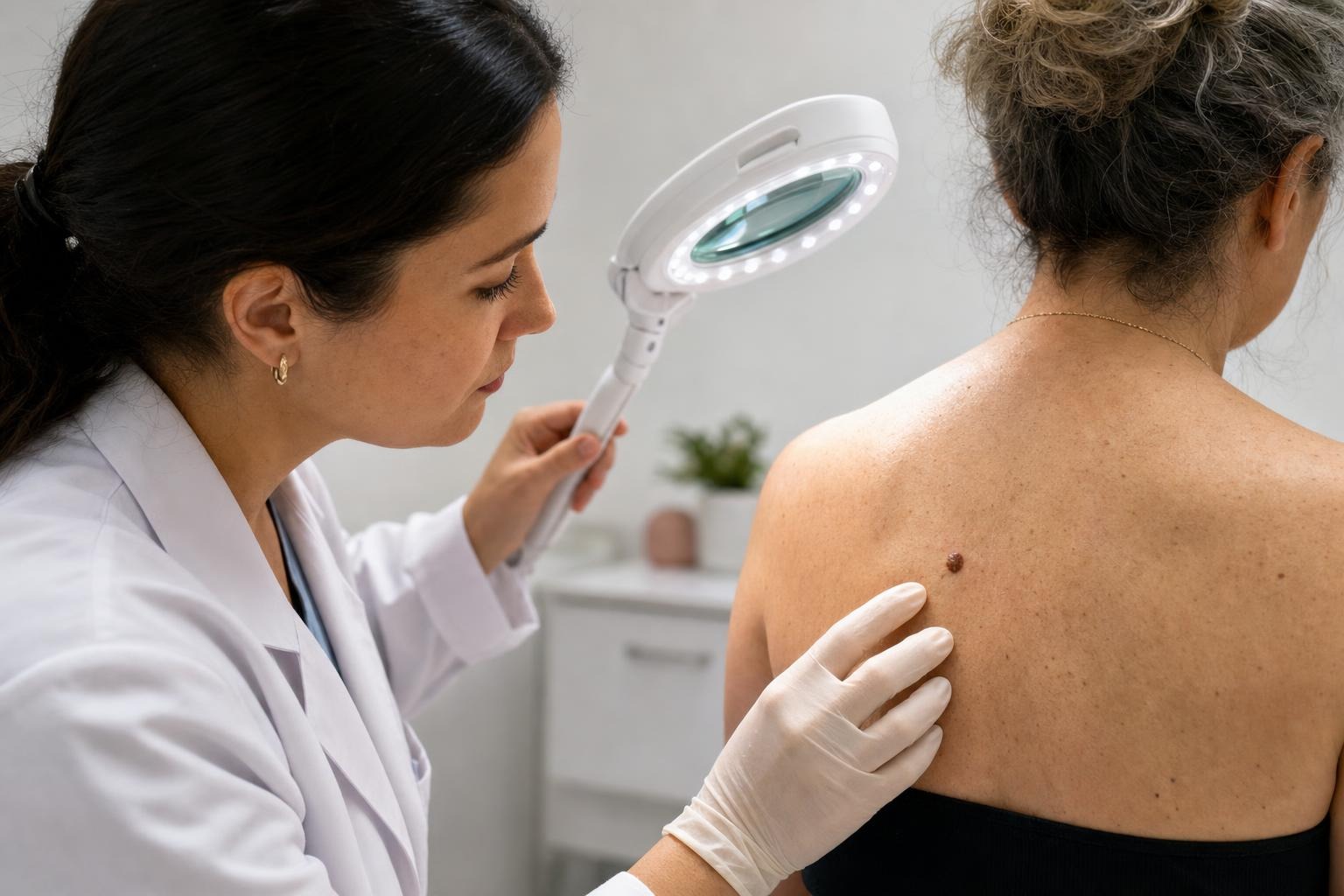
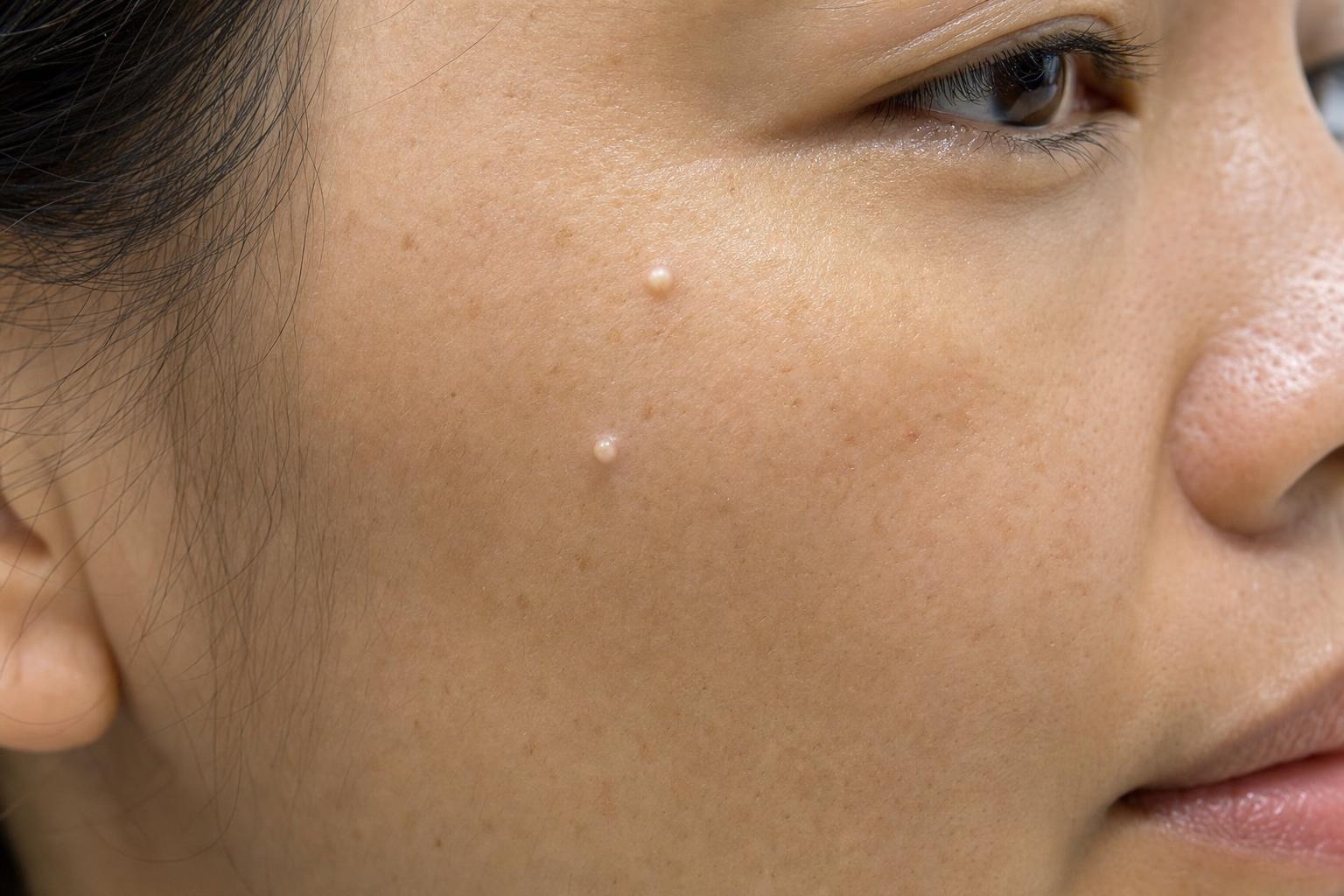
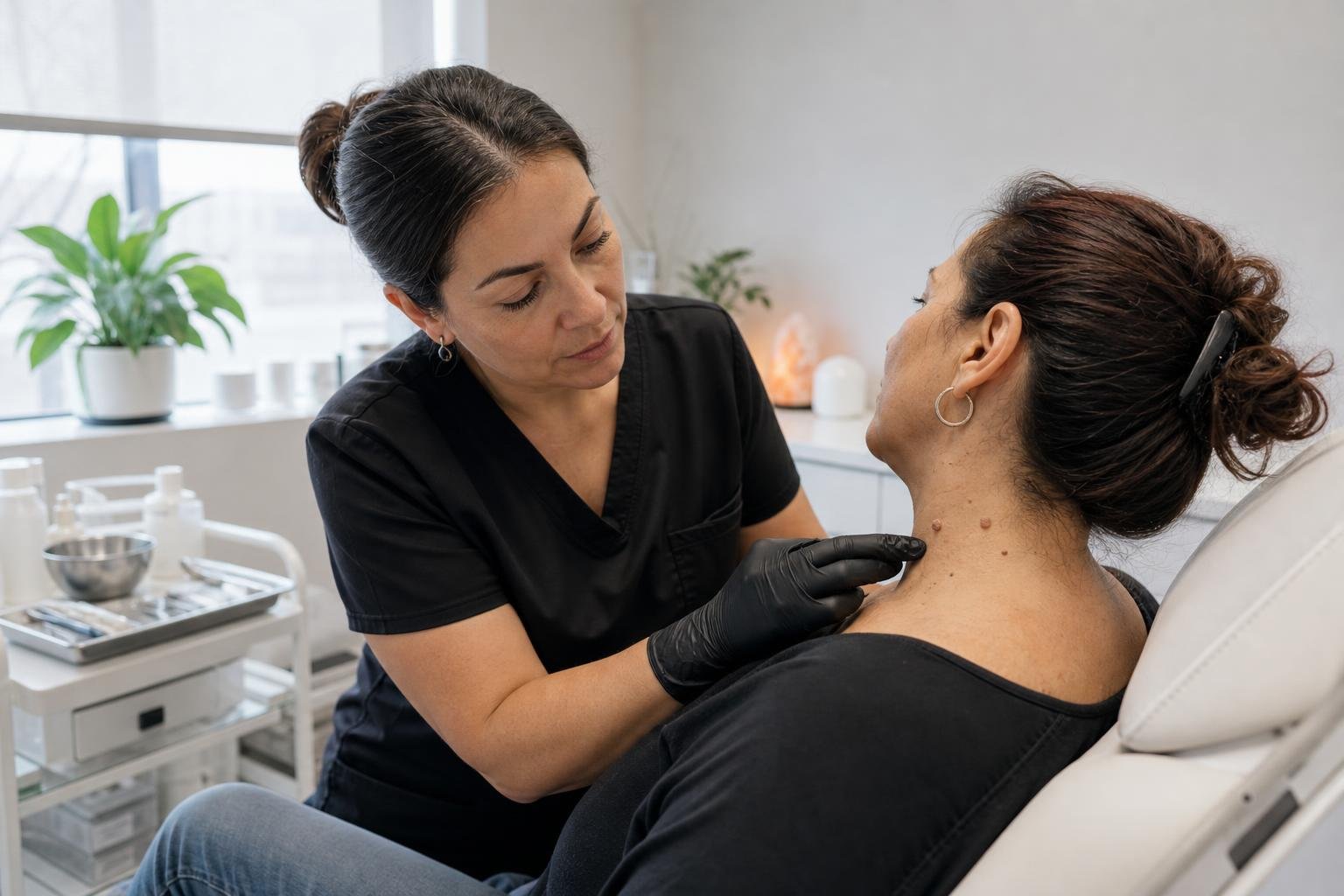
The clinician examines the lesion. They’re checking for size, shape, colour, attachment (pedunculated tags have a narrow stalk), and whether the lesion looks like a simple skin tag or something that needs further investigation. If the practitioner sees features that raise concern (asymmetry, irregular borders, rapid growth), they may decline same-day removal and recommend a biopsy or referral.
Clinical context: skin tags (acrochordons) are common and usually harmless; authoritative resources such as the Mayo Clinic describe them as benign growths that rarely need treatment unless symptomatic or bothersome. See the Mayo Clinic’s overview for reference: Mayo Clinic — Skin tags.
- Informed consent and cost disclosure
Before any procedure you’ll receive an explanation of the chosen technique, expected sensations, potential risks, and aftercare. Confirm price per lesion (Vicaria Health lists removals from $20/lesion) and whether follow-up visits or histology (if a sample is sent for analysis) are included.
- Procedure options and what they feel like
A range of professional methods exist for skin tag removal; the clinician will pick the one that best suits the lesion’s location, size, and tissue type. Common approaches include snip excision, cautery (electrocautery), and cryotherapy; techniques differ in healing time and scarring risk. On the day, expect one or more of these supportive steps:
- Local numbing: a topical anaesthetic or a small local injection can be used to limit discomfort.
- Brief procedure time: most individual tags take only a few minutes to remove.
- Minor bleeding or oozing: immediate pressure and a dressing handle this; cautery stops bleeding quickly.
Pain is usually described as a brief sting at the time of the procedure, followed by mild soreness. If you have low pain tolerance, discuss numbing options ahead of the appointment.
- Immediate aftercare before you leave
The clinician will apply dressing or ointment and give written aftercare instructions. Typical advice: keep the area clean and dry for 24–48 hours, change dressings as directed, avoid picking scabs, and use sunscreen on healing skin to reduce pigmentation changes.
- Follow-up and pathology
If the clinician removed tissue and has any diagnostic concern, they may send the specimen for histological analysis (biopsy). That’s not routine for classic skin tags but is standard when appearance is atypical. Labs and pathology add time and cost; ask in advance if a biopsy fee applies.
Risks, red flags, and when same-day isn’t appropriate
Same-day removal is intended for straightforward, benign lesions. Consider a planned consultation or specialist referral instead if any of the following apply:
- Rapid growth, ulceration, irregular borders, or colour change;
- Bleeding without provocation or lesions that repeatedly re-bleed;
- Lesions on the face near the eye, on mucous membranes (lips, genitals) or in locations where a specialist may be needed to preserve function or reduce scarring;
- A personal history of skin cancer or suspicious lesions elsewhere;
- Use of blood-thinning medication or a bleeding disorder that increases procedural risk.
When any red flag is present, an experienced clinician will decline immediate removal and recommend biopsy, dermatology referral, or imaging where appropriate. That cautious approach protects your health even if it delays a same-day procedure.
Practical trade-offs: cosmetic removal vs addressing root causes
Removing a tag is quick and satisfying, but it’s not always a final solution. Skin tags frequently recur in areas of friction (neckfolds, underarms) and may be more common with age, obesity, insulin resistance, or hormonal changes. If you have multiple new tags, consider addressing underlying contributors.
Vicaria Health combines skin lesion removal with nutrition and health coaching — a useful pairing if repetitive tags are linked to metabolic or lifestyle factors. The trade-off is simple: one-off removal provides immediate cosmetic and mechanical relief, while coaching targets longer-term drivers.
Cost, booking logistics, and what’s included
- Pricing: clinics commonly list per-lesion prices; Vicaria Health advertises removals from $20 per lesion. Confirm whether that price covers consultation, procedure, dressings, and any follow-up.
- No referral: many private clinics accept direct bookings with no GP referral.
- Time: allow 30–60 minutes for a single-site same-day visit (consult, procedure, short recovery). Multiple lesions increase time and cost.
Book directly or check availability online: Vicaria Health’s website lists services and contact details at [ref]. If you need immediate removal, call ahead to confirm same-day capability and estimated wait.
Next steps: how to prepare and questions to ask at your appointment
Checklist to bring
- Photo ID and a list of current medications
- Notes on lesion history (how long, changes, symptoms)
- Recent photos if the lesion moves or you can’t easily show it
Questions to ask your practitioner
- Which removal method will you use and why?
- Do you recommend biopsy for this lesion?
- What immediate risks should I watch for, and when do I need to return?
- How many follow-up visits are typical, and is there an extra fee?
- How will the healed site look—what are realistic expectations about scarring or pigment changes?
Frequently asked questions
How long does the procedure take?
Most single-tag removals take only a few minutes once numbed. Expect the entire visit including check-in and aftercare instructions to be 30–60 minutes.
Is removal painful?
You may feel a sting with local anaesthetic and brief discomfort during the procedure. Many patients report only mild soreness afterward, manageable with over‑the‑counter pain relief.
Will the tag grow back?
Removed tags generally do not regrow in the exact spot. However, new tags can appear elsewhere if the underlying cause (friction, metabolic factors) persists.
Do I need a GP referral?
Usually no. Many clinics, including Vicaria Health in Hamilton, accept direct bookings for same-day removal, although suspicious lesions will be referred to a specialist.
Are removed samples ever tested?
If the clinician suspects the lesion is not a benign skin tag, they may send tissue for histopathology. Ask whether a biopsy fee applies and how long results take.
What signs of infection or complications should I watch for?
Watch for increasing redness, warmth, spreading swelling, pus, new fever, or severe pain. Contact the clinic promptly if these occur.
Final notes and next steps
A same-day skin tag removal visit is typically quick, low-risk, and effective for uncomplicated lesions. If you live in Hamilton and want same-day care with integrated health coaching, check Vicaria Health’s offering and availability at [ref]. Bring medication details, be honest about recent changes in the lesion, and ask about biopsy policy so there are no surprises.
If a lesion looks unusual or has changed quickly, prioritizing a diagnostic pathway over an immediate cosmetic fix is the safer choice. Otherwise, expect a short visit, clear aftercare instructions, and rapid relief from irritating or cosmetically bothersome tags.
External reference
- Mayo Clinic, Skin tags — symptoms and causes: [ref]